Trackside Surface Secrets: How Daily Grooming Routines Shift Speed Figures and Payout Structures in Thoroughbred Events
Written by Sam Zimmermann · Sep 2, 2026
Trackside Surface Secrets: How Daily Grooming Routines Shift Speed Figures and Payout Structures in Thoroughbred Events
Thoroughbred racing surfaces undergo daily grooming routines that reshape their composition and directly influence recorded times across events, and these adjustments carry through to speed figure calculations that bettors and analysts rely upon when assessing performance trends. Track superintendents coordinate harrowing, watering, and rolling sequences each morning, with the goal of maintaining consistent cushion depth and moisture levels that prevent excessive kickback or undue firmness. Researchers from multiple racing jurisdictions have documented how even minor variations in these procedures produce measurable differences in final clockings, which in turn alter the track variant applied to raw times when organizations compile official speed figures.
Mechanics of Daily Surface Preparation
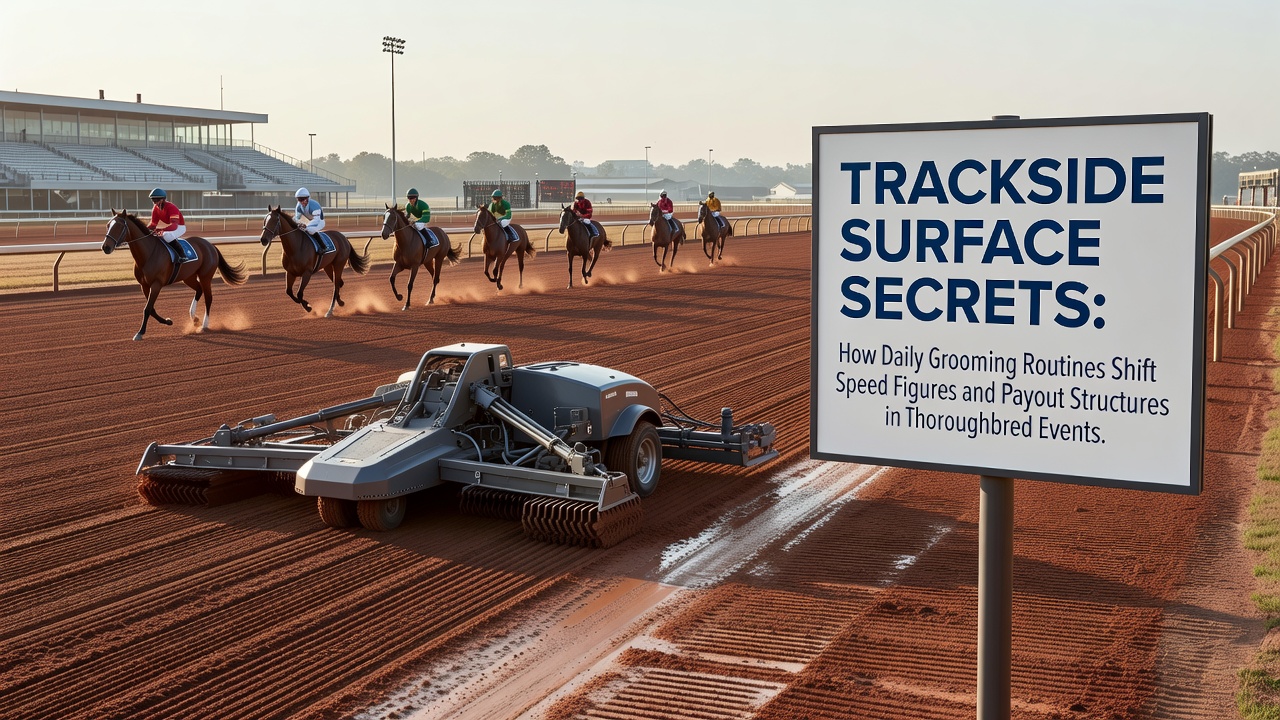
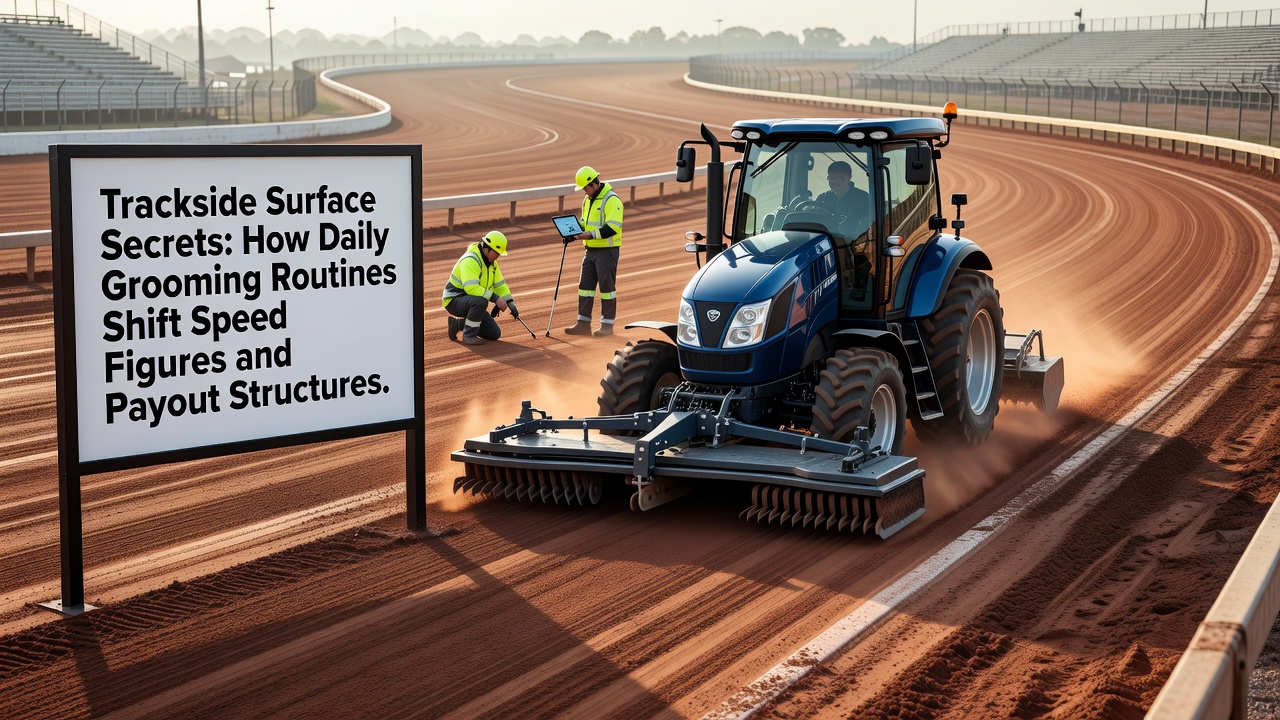
Standard grooming cycles begin before sunrise at most major tracks, where crews deploy specialized harrows to loosen the top layer while preserving the base integrity that supports hoof traction during high-speed turns. Water trucks follow at intervals calibrated to local humidity readings, adding precise volumes that maintain an optimal moisture percentage without creating standing water or overly slick conditions. Observers note that these steps occur in coordinated passes, often repeated two or three times before the first race, and the resulting surface density directly affects stride length and energy expenditure for competing horses. Data from facilities in North America and Australia indicate that a single additional harrowing pass can reduce average winning times by fractions of a second on dirt surfaces, a change large enough to shift speed figure ratings by several points depending on the baseline used that day.
Impact on Speed Figure Calculations
Speed figures incorporate a track variant derived from the collective performance of all runners on a given card, and grooming routines that alter surface speed introduce variability into this baseline adjustment. When maintenance crews apply extra rolling pressure to firm up the track, horses reach the wire with quicker final times than historical averages would predict, which forces figure compilers to assign a faster variant and thereby lowers the adjusted ratings assigned to individual performances. Conversely, deeper harrowing that increases cushion depth slows overall times, prompting a slower variant that inflates the resulting speed figures. According to records maintained by Equibase, these daily fluctuations explain why two horses posting identical raw times on consecutive days can receive markedly different speed ratings once the variant is applied.
Regional Maintenance Variations and Their Effects
Tracks in different climates follow distinct grooming protocols that produce characteristic biases in speed figures over time. Facilities in arid regions tend toward lighter watering schedules that keep surfaces faster overall, while coastal venues adjust for higher ambient moisture by increasing harrowing frequency to counteract compaction. A report issued by the Association of Racing Commissioners International highlights how these regional differences create predictable patterns, with certain tracks consistently generating higher or lower speed figure distributions depending on their standard maintenance practices. In September 2026, several Midwest tracks implemented revised watering guidelines in response to seasonal weather shifts, and analysts observed corresponding changes in the distribution of speed figures across maiden and allowance races during that period.
Connection to Payout Structures
Payout structures in pari-mutuel wagering respond to shifts in perceived probabilities, and when grooming routines produce faster or slower surfaces than expected, the resulting speed figures influence public handicapping and betting patterns that determine final odds. Horses whose prior speed figures appear inflated due to an unusually fast track variant often attract heavier wagering action, which compresses their odds and reduces payout multiples for successful tickets. Research from the Racing Australia integrity unit demonstrates that surface speed changes occurring between morning works and afternoon races create discrepancies between published speed ratings and actual performance, prompting late odds adjustments that reshape exacta and trifecta payoffs. These dynamics become especially pronounced on days when maintenance crews deviate from routine schedules because of weather forecasts, leading to larger-than-normal swings in the final pool distributions.
Case Examples from Recent Seasons
One documented instance occurred at a major East Coast venue where crews performed an extra rolling pass before a stakes event, resulting in winning times two full seconds faster than the prior meeting average. Speed figures compiled for that card reflected the change through an accelerated track variant, which lowered adjusted ratings for several prominent runners and altered morning-line odds for subsequent entries. Bettors who recognized the surface shift through workout comparisons adjusted their wagers accordingly, and the resulting pool allocations produced elevated payouts in multi-race wagers that included horses whose figures had been compressed by the variant adjustment. Similar patterns appear in European and Asian jurisdictions where synthetic surfaces receive daily grooming calibrated to temperature and humidity, with industry reports indicating that these maintenance decisions correlate with measurable movements in exotic betting returns.
Conclusion
Daily grooming routines at thoroughbred tracks serve as a foundational element that shapes surface characteristics, recorded times, speed figure accuracy, and the payout structures that emerge from betting markets. Organizations responsible for figure compilation and racing regulation continue to monitor these maintenance variables, and data from multiple jurisdictions show consistent relationships between grooming practices and the numerical adjustments applied to performance records. Those who study these patterns find that surface preparation decisions made each morning carry forward through the entire chain of timing, rating, and wagering outcomes.